
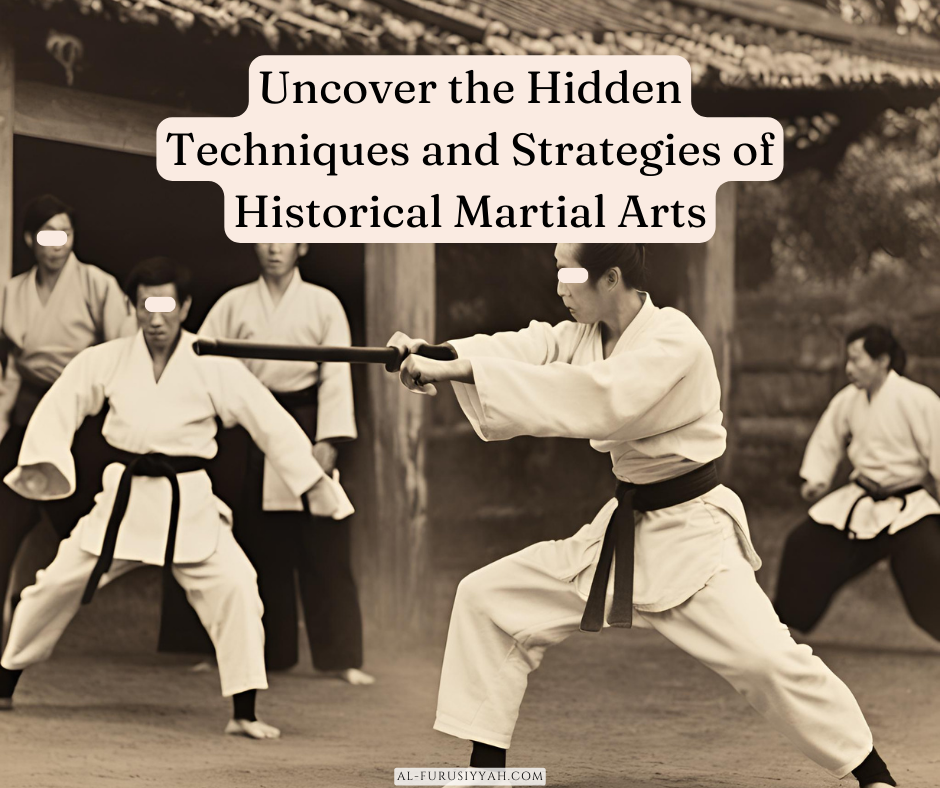
Medieval martial arts are a treasure troves of knowledge, filled with techniques and strategies that have stood the test of time. From the swift arcs of swords to the intricate movements of hand-to-hand combat, these ancient practices offer insights that are just as relevant today as they were centuries ago.
By diving into these arts, practitioners gain a deeper understanding of historical combat, which can not only enhance their self-defense skills but also enrich their appreciation of martial culture.
During medieval times, particularly in the Middle East, martial arts flourished as essential skills for survival. The rise of various dynasties brought a blend of styles, each contributing to the rich tapestry of combat training.
Notably, disciplines such as the art of swordsmanship and grappling were integral to military training and personal defense.
This period saw the emergence of renowned fighters and schools of thought that shaped the way combat was approached, emphasizing discipline, strategy, and physical conditioning.
As we explore the intricacies of these martial arts, we’ll uncover the techniques that not only tell the story of warriors past but also provide us with valuable lessons for modern practice.
By understanding these foundations, we can cultivate our skills, both physically and mentally, paving the way for a holistic approach to martial arts in contemporary settings.
The Art of Swordsmanship
The Significance of Sword Fighting
Sword fighting was a cornerstone of medieval martial arts, serving not just as a means of combat but also as a symbol of honor and skill. These warriors were trained to wield their swords with precision, making them formidable opponents on the battlefield. Mastering swordsmanship was essential for survival and reputation, as knights and fighters used it to establish their prowess and gain respect among peers.
Basic Sword Techniques and Stances
To effectively engage in sword combat, one must be familiar with fundamental techniques and stances. Here are a few basics:
Stances:
Guard Position: This is the initial stance where the sword is held up, ready for action.
Overhead Guard: The sword is raised above the head, prepared for powerful downward strikes.
Techniques:
Cuts: A series of slashing motions aimed at different targets on the opponent.
Thrusts: Direct jabbing motions intended to penetrate defenses.
Parries: Defensive moves to block incoming attacks.
Famous Swordsmen
Throughout history, several legendary swordsmen have left a mark on martial arts. For instance, William Marshall, often hailed as one of the greatest knights, utilized agility and strength, combining both offensive and defensive tactics seamlessly. Another notable figure is Joachim Meyer, a German fencing master who documented various sword techniques, which continue to influence modern practices today.
With this foundation in swordsmanship, practitioners can appreciate the depth of historical combat techniques. Understanding these skills not only enriches knowledge of medieval martial arts but also aids in improving modern self-defense strategies. Transitioning from the art of swordsmanship, we will now delve into hand-to-hand combat techniques that were vital during the medieval era.
Mastering Hand-to-Hand Combat

Hand-to-hand combat is a crucial component of medieval martial arts, emphasizing the importance of physical prowess and tactical thinking. Unlike swordsmanship, which relies on weapons, hand-to-hand techniques demand a different skill set that can be both dynamic and practical in various situations.
Techniques of Hand-to-Hand Combat
The techniques used in medieval hand-to-hand combat include a variety of strikes, blocks, and grappling maneuvers.
Strikes
Strikes are the primary means of offense in hand-to-hand combat. Common types include:
Punches: Straight punches, hooks, and uppercuts can effectively incapacitate an opponent.
Kicks: Front kicks and side kicks target vulnerable areas such as the knees or abdomen.
Elbows and Knees: Close-range strikes that can deliver powerful blows.
Blocks
Defensive movements are equally essential. Effective blocks can neutralize incoming attacks and set up counterattacks:
Parries: Redirecting an opponent’s strike away from your body.
Covering: Using your arms to shield vital areas from attacks.
Grappling Techniques
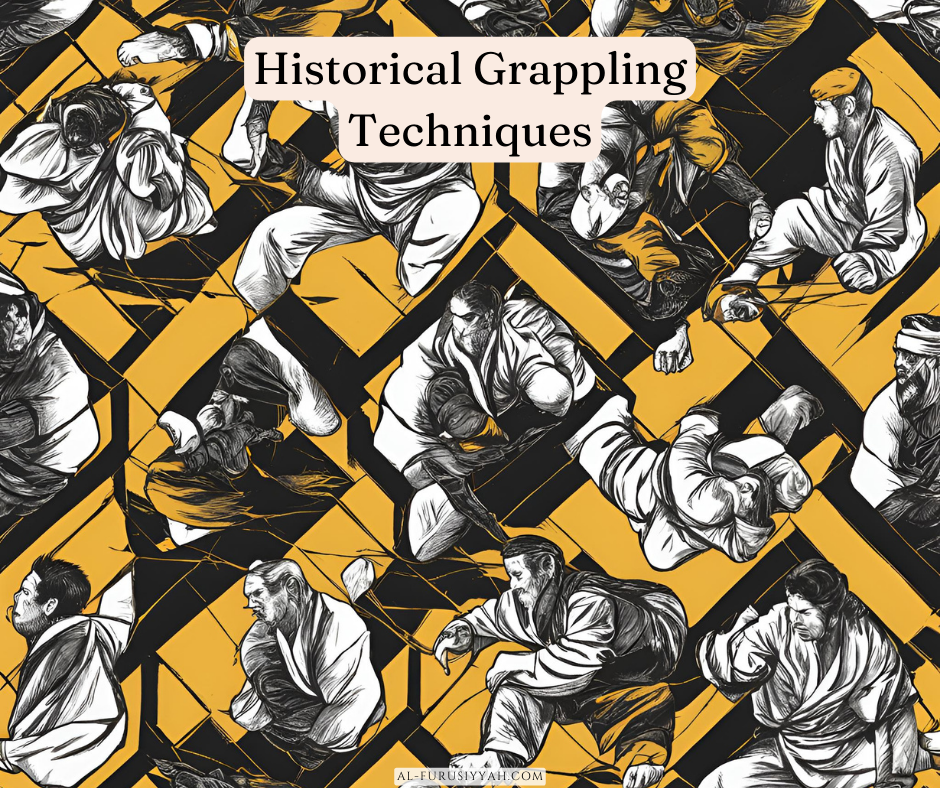
Grappling involves close-quarters fighting, focusing on controlling or immobilizing an opponent. Techniques include:
Joint Locks: Manipulating an opponent’s joints to gain control.
Throws: Utilizing leverage to take an opponent to the ground.
Training Tips
To master hand-to-hand combat, consistency and proper technique are key. Here are some training tips to enhance your skills:
Practice Regularly: Develop muscle memory through frequent practice of strikes, blocks, and grappling techniques.
Partner Drills: Work with a partner to simulate real combat situations. This will help you refine your timing and distance.
Conditioning: Focus on building strength and endurance. Exercises like push-ups, squats, and cardio can significantly improve your performance.
Mindfulness: Incorporate mental training to enhance focus and decision-making during combat.
With these foundational elements, aspiring martial artists can elevate their hand-to-hand combat skills, bridging ancient techniques into modern practice. This mastery not only enriches understanding of historical combat but can also be invaluable in self-defense scenarios.
As we delve deeper into the world of medieval martial arts, we will soon explore the various traditional weapons that played a pivotal role in these fighting systems.
Utilizing Traditional Weapons

As we delve into the realm of traditional weapons used in medieval martial arts, we uncover a variety of tools that shaped combat strategies of the time. Each weapon carries its unique characteristics, advantages, and disadvantages, making them suited for different contexts in battle.
Different Traditional Weapons
Sword: The quintessential weapon of the medieval knight. Swords were versatile, allowing for slashing, thrusting, and parrying. They were ideal for both one-on-one combat and larger battles. However, they required significant skill to wield effectively.
Spear: This long-range weapon was favored for its reach. It allowed fighters to strike from a distance while maintaining a safe space from their opponents. The disadvantage? Its length could make it cumbersome in close quarters.
Axe: With immense chopping power, axes could deliver devastating blows. They were effective against armored foes, but lacked the finesse of swords, making precision strikes more challenging.
Mace: A blunt force weapon designed to crush armor and bone. Maces were simple to wield but less effective against agile opponents due to their weight.
Bow and Arrow: This ranged weapon provided the ability to strike from afar. While bows required practice and skill to master, they offered a tactical advantage by allowing archers to remain out of reach of melee combatants.
Advantages and Disadvantages
Swords provide versatility but require training to master.
Spears excel in reach but can be difficult to maneuver in tight spaces.
Axes deliver powerful strikes but may not be as precise.
Maces are straightforward to use but can be unwieldy.
Bows offer strategic distance but demand patience and practice.
Training Methods
Training with these weapons varies greatly. Here’s how to approach mastering each:
Sword: Focus on footwork drills, sparring sessions, and practicing specific techniques like thrusts and cuts with a partner.
Spear: Work on lunging exercises and distance management to control your space effectively.
Axe: Emphasize strength and accuracy through targeted striking drills against pads or dummies.
Mace: Incorporate strength training and target practice to build power and precision.
Bow: Regularly practice shooting at various distances and work on form and technique to improve accuracy.
Understanding these traditional weapons not only enriches your knowledge of medieval combat but also offers practical insights for modern self-defense applications. As we explore the nuances of defense and counterattacks next, we’ll build upon this foundation to enhance our martial skills even further.
Understanding Defense and Counterattacks
Defensive strategies in medieval martial arts were vital for survival in combat. Warriors relied heavily on their ability to defend against attacks while looking for openings to counterattack. Key techniques included the use of shields for protection, evasion maneuvers to avoid strikes, and precise timing for effective counterattacks.
Defensive Strategies
Medieval fighters employed several defensive tactics:
Shields: These were essential for blocking incoming blows. A well-placed shield could absorb the impact of a sword strike or an arrow.
Evasion: Dodging or sidestepping attacks allowed warriors to remain out of harm’s way while maintaining the opportunity to strike back.
Footwork: Quick and agile footwork was crucial. It not only helped in avoiding attacks but also allowed for repositioning to create advantageous angles.
Each of these strategies required practice and familiarity with one’s own movements as well as those of the opponent.
The Concept of Counterattacks
Counterattacking is about capitalizing on the opponent’s mistakes. When a fighter launches an attack, it often leaves them vulnerable. Medieval martial artists learned to recognize these moments and respond swiftly.
Timing: Mastering the timing of your counter can turn the tide of a fight. It involves anticipating the opponent’s moves.
Precision: A successful counterattack must be executed with precision to exploit the opening created by the attacker.
Developing Effective Defensive Skills
To build effective defensive skills, practitioners should focus on:
Drills: Regularly practicing defensive maneuvers and counterattacks with a partner helps develop instinctual responses.
Mindfulness: Staying mentally aware of your surroundings and the movements of your opponent can greatly enhance defensive capabilities.
Conditioning: Physical fitness contributes to agility and stamina, allowing for quicker reactions during combat.
By integrating these elements into training, martial artists can enhance their defensive strategies and become formidable opponents.
As we explore further, the significance of footwork and movement will become clear, revealing how these foundational skills support both offensive and defensive tactics.
The Importance of Footwork and Movement
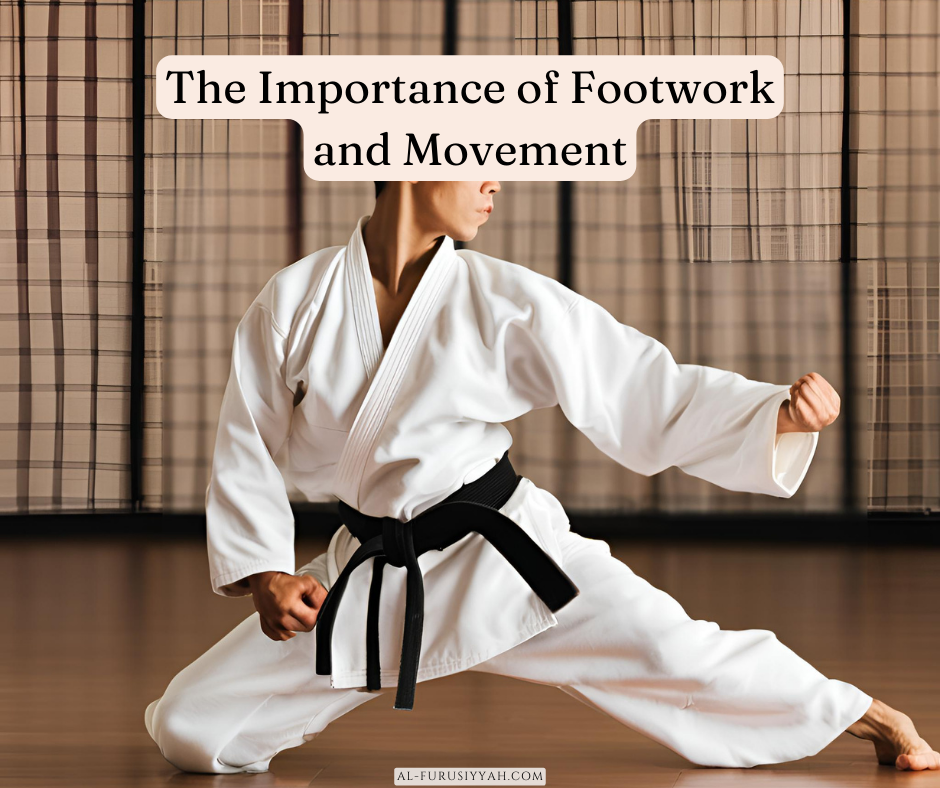
Footwork and movement are the backbone of medieval martial arts, allowing practitioners to evade attacks and position themselves strategically during combat. Mastering these skills is crucial for effective defense and counterattacks.
Key Techniques in Footwork
A solid understanding of footwork can make a significant difference in medieval combat situations. Here are some essential techniques:
Advancing and Retreating: This involves moving toward or away from your opponent while maintaining balance. It helps create distance or close the gap for an attack.
Lateral Movement: Moving side to side allows you to stay out of range while keeping an eye on your opponent’s actions. This technique is vital for both offense and defense.
Pivoting: This enables quick changes in direction, making it harder for opponents to predict your next move. It’s often used before launching a strike or evading an attack.
Exercises to Improve Agility and Coordination
To enhance your footwork, consider incorporating these drills into your training routine:
Shadow Sparring: Practice moving around an imaginary opponent. Focus on different footwork techniques without striking. This helps build muscle memory.
Cone Drills: Set up cones in various patterns and practice weaving through them with different footwork styles. This improves agility and spatial awareness.
Jump Rope: Regularly jumping rope can significantly boost your foot speed and coordination, crucial elements in any martial art.
By consistently practicing these techniques and exercises, you will develop the agility and precision needed for effective movement in medieval martial arts.
As we delve deeper into this fascinating discipline, the next aspect will explore the mental focus and discipline that underpins successful martial arts practice, essential for mastering these physical skills.
Mental Focus and Discipline

Understanding the mental aspects of medieval martial arts is crucial for any practitioner looking to enhance their skills. While physical techniques and strategies are essential, the mind plays an equally vital role in achieving mastery. Focus, discipline, and mindfulness can significantly impact performance during both training and combat scenarios.
The Role of Focus
Focus is the cornerstone of effective martial arts practice. In the heat of battle, distractions abound. Training the mind to concentrate on the task at hand allows a fighter to respond more swiftly and accurately. Medieval warriors often relied on their ability to maintain laser-like focus amid chaos. Practicing meditation and breathing exercises can cultivate this essential skill, helping you remain centered even in stressful situations.
Cultivating Discipline
Discipline in training ensures consistent improvement over time. In medieval times, swordsmen and fighters adhered to strict routines that honed their skills. Establishing your training regimen can lead to significant advancements in your abilities. Whether it’s attending classes regularly, practicing techniques at home, or participating in sparring sessions, commitment to your practice will yield better results.
Embracing Mindfulness
Mindfulness involves being present in the moment and fully aware of one’s surroundings and actions. This quality enables fighters to read their opponents’ movements and intentions more effectively. Incorporating mindfulness practices into your training—such as focusing on each strike or movement—can sharpen your reflexes and improve decision-making.
Tips for Developing Mental Fortitude
Meditation: Spend a few minutes daily in quiet reflection to strengthen your mental clarity.
Visualization: Imagine yourself successfully executing techniques or overcoming challenges in combat.
Set Goals: Define clear, achievable objectives for your training to maintain motivation.
Reflect: After each training session, take time to review what went well and what could be improved.
By integrating these mental practices into your training routine, you’ll not only enhance your physical skills but also develop the mental resilience needed for real-world applications of martial arts.
As we continue our exploration, we’ll delve into the importance of safety in training, ensuring that you can practice these ancient techniques while minimizing risks.
Modern Day Practices – Health & Safety
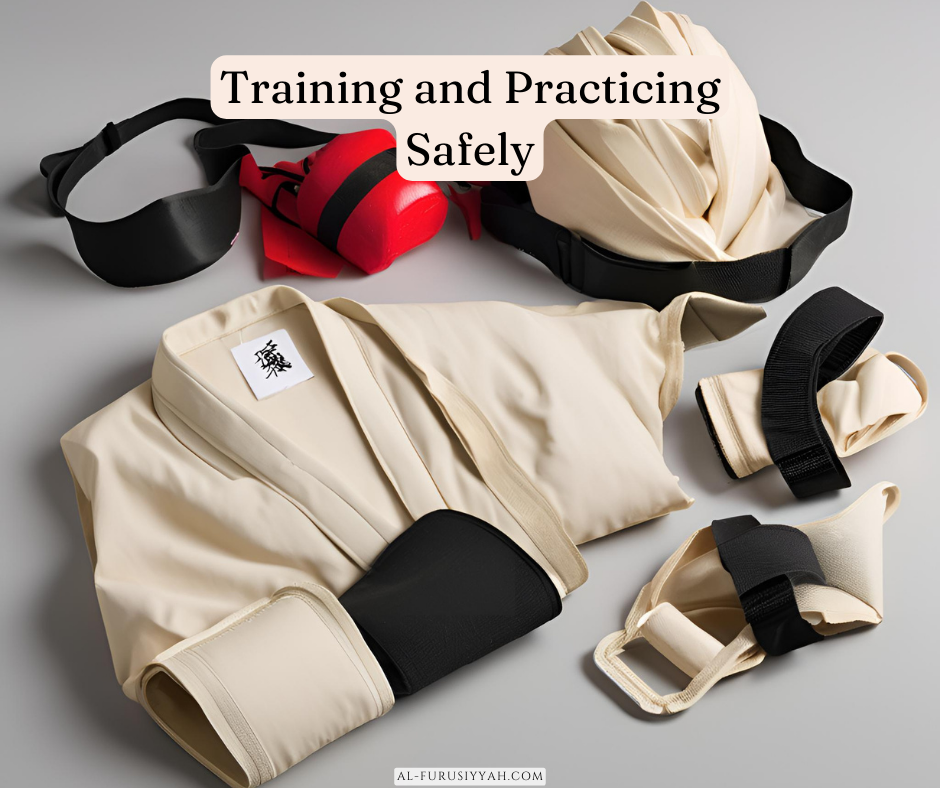
Training in medieval martial arts is not just about mastering techniques; safety should always be a priority. Engaging in physical combat, whether with weapons or bare hands, carries inherent risks. Understanding how to train safely helps prevent injuries and ensures longevity in your practice.
Guidelines for Safe Training
Use Protective Gear
Always wear appropriate protective equipment. This includes items such as gloves, helmets, and padded jackets. Proper gear absorbs impact and can significantly reduce the risk of injury during sparring or training sessions.
Warm-Up and Cool Down
Start every practice with a warm-up to prepare your muscles and joints. Stretching before and after training aids in flexibility and reduces soreness. Spend at least 10 minutes on these activities.
Supervised Sparring
When sparring, particularly with weapons, ensure that you have an experienced instructor present. They can provide guidance on technique and enforce safety protocols, helping to mitigate the risk of accidents.
Know Your Limits
Understand your current skill level and don’t push beyond your capabilities. Progress gradually, focusing on mastering skills before moving on to more advanced techniques.
Practice Mindfulness
Stay aware of your surroundings, your partner’s movements, and your own body. Being mindful can help you anticipate attacks and respond appropriately, reducing the chance of injury.
Finding Reputable Instructors or Training Centers
Choosing the right place to train is crucial for your safety and growth. Look for established martial arts schools or instructors who have a strong background in medieval martial arts. Check for recommendations or reviews from current students to gauge their experiences.
Ask about the instructor’s qualifications and experience in teaching medieval martial arts.
Ensure that the training facility emphasizes safety in its programs.
Visit the center if possible to observe a class before committing.
By prioritizing safety in your training, you not only protect yourself but also create a positive environment for others. The skills you develop in medieval martial arts are invaluable, and maintaining your health will allow you to enjoy this practice for years to come.
As we delve deeper into martial arts, we will explore another essential aspect: the mental discipline required to excel in these ancient fighting styles.
Additional Tips/Resources
As you delve deeper into the realm of medieval martial arts, having the right resources at your fingertips can enhance your learning experience. Here are some valuable recommendations:
Recommended Books and Documentaries
Books:
“Medieval Fighting: Techniques of Combat” by John Clements – This book provides a comprehensive look at various combat techniques used in medieval times.
“The Art of Sword Fighting in Earnest” by John Clements – A practical guide that covers swordsmanship fundamentals and historical context.
Documentaries:
“Secrets of the Samurai Sword” – An insightful documentary exploring the history and craftsmanship behind the legendary swords.
“Battlefield Britain” – Offers a mix of history and military strategy relating to medieval warfare.
Online Resources
Websites:
Historical European Martial Arts – A resource hub for practitioners that includes articles, forums, and event listings.
The Knightly Arts – A site dedicated to medieval combat techniques, featuring instructional content and community discussions.
Join Local Communities
Connecting with others who share your interest can be incredibly beneficial. Consider joining local martial arts schools or clubs focused on historical styles. You can also explore online forums and social media groups where enthusiasts discuss techniques, share experiences, and organize training sessions.
Online Tutorials and Videos
For those who prefer visual learning, numerous online platforms offer tutorial videos demonstrating specific techniques. Websites like YouTube host channels dedicated to medieval martial arts, providing step-by-step guides on everything from footwork to weapon handling.
By utilizing these resources, you will not only deepen your understanding of ancient combat techniques but also enrich your practice, connecting the past with your modern self-defense skills. Embrace this journey, and let the wisdom of centuries guide your training.
Conclusion
Understanding medieval martial arts is not just a journey through history; it’s an exploration of strategies and principles that have shaped combat throughout the ages. The significance of these ancient techniques lies in their practical applications, both for historical insight and modern self-defense.
Throughout this exploration, we’ve touched on various aspects of martial arts. From the art of swordsmanship, where basic techniques and the legacy of renowned swordsmen provide foundational skills, to hand-to-hand combat techniques featuring strikes, blocks, and grappling methods, each section has revealed the depth of knowledge contained within these traditions.
The discussion on traditional weapons highlighted their unique advantages and disadvantages, encouraging practitioners to find their preferred tools of the trade. Understanding defense strategies and counterattacks equips individuals with the tactical mindset necessary for real-world encounters. Moreover, the emphasis on footwork and movement underscores their critical role in effective combat.
Mental focus and discipline emerged as vital components, reminding us that mastery in martial arts extends beyond physical prowess. Lastly, we’ve stressed the importance of safe training practices to foster skill development without compromising safety.
As you delve deeper into these ancient fighting systems, consider exploring recommended books, documentaries, and online resources. Engaging with local communities can also enrich your learning experience, allowing you to connect with like-minded enthusiasts. Embrace these historical traditions and let them guide your personal development, ensuring that the wisdom of our ancestors continues to inform and inspire today’s martial artists.