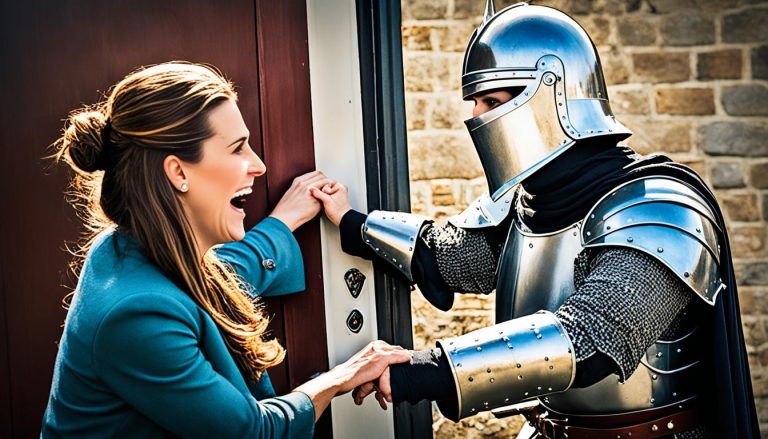
Chivalry Definition Today: Exploring the Modern Interpretation and Relevance
When we hear the word “chivalry,” images of knights in shining armor and epic medieval battles may come to mind. But in today’s society, chivalry has taken on a new meaning and encompasses a range of behaviors that shape our daily interactions. It’s worth exploring the modern interpretation of chivalry and understanding its relevance in contemporary society.
Chivalry in contemporary society goes beyond the traditional knightly code of honor. It now includes acts of kindness, respect, and empathy towards others. It encourages us to be courteous and considerate, regardless of gender or social status. Chivalry asks us to be mindful of the impact our words and actions have on others and to treat everyone with dignity and fairness.
In the modern era, the chivalry code plays a vital role in guiding our behavior and shaping our relationships. It reminds us of the importance of being reliable, trustworthy, and honorable. It encourages us to stand up against injustice, promote equality, and make a positive difference in the world around us.
By exploring the modern interpretation of chivalry, we can gain a deeper understanding of how these values can inspire us to create a more compassionate and inclusive society. Let’s delve further into the history, principles, and impact of chivalry to truly grasp its significance in our lives today.
Key Takeaways:
- Chivalry in today’s society encompasses acts of kindness, respect, and empathy towards others.
- It promotes equality and encourages us to treat everyone with dignity and fairness.
- The chivalry code guides our behavior and reminds us of the importance of reliability, trustworthiness, and honor.
- Chivalry encourages us to stand up against injustice and make a positive difference in the world.
- Exploring the modern interpretation of chivalry can inspire us to create a more compassionate and inclusive society.
A Historical Perspective: Ancient Chivalry and Its Impact
Chivalry, with its origins dating back to ancient times, holds great relevance in today’s world. Through the centuries, chivalry has shaped societal values and principles, influencing the way we interact and uphold virtues in our society.
The importance of chivalry can be traced back to the earliest recorded chivalric incident in the epic poem “Gilgamesh” around 2100 B.C. This ancient tale illustrates the significance of chivalry in protecting society’s most vulnerable members and upholding the ideals of honor and justice.
Furthermore, Jewish laws in the 7th century B.C. played a significant role in influencing medieval chivalric customs. These laws emphasized the protection of captive women and promoted peace overtures, continuing to shape the principles of chivalry that we see in contemporary society.
Throughout history, chivalry has served as a compass, guiding individuals in their pursuit of ethical behavior and righteous action. The code of chivalry, with its emphasis on virtues such as courage, loyalty, and compassion, has inspired countless individuals to uphold these values in their interactions with others.
As we navigate the complexities of the modern world, the principles of chivalry remain deeply relevant. They provide us with a moral framework to navigate ethical dilemmas, foster empathy, and promote fairness and respect in our interactions with one another.
The Evolution of Chivalry: From Ancient Times to Modern Society
Over the centuries, chivalry has evolved and adapted to the changing needs of society. It has transcended its medieval origins and continues to shape our world today. The next section will explore the role of chivalry in the Middle Ages and its impact on contemporary society.

Chivalry Principles in Society
| Principles | Application in Society |
|---|---|
| Mercy | Promoting forgiveness and compassion in our interactions |
| Justice | Advocating for fairness and equality in society |
| Humility | Encouraging modesty and selflessness in our attitudes and actions |
Chivalry in the Middle Ages: Knights as Protectors
The Middle Ages marked a significant period in the development of chivalry, as knights embraced it as a professional code of honor, allowing them to gain respect as gentlemen. In European literature of the time, knights and kings were portrayed as protectors of women, highlighting chivalry as a force for justice and equality.
Renowned authors like Geoffrey Chaucer and Sir Thomas Malory depicted courtly justice for women that went beyond the societal norms of their era. Their works showcased the principles of chivalry, which continue to hold relevance in the 21st century by influencing ethical behavior and challenging traditional gender roles.
Chivalry in the 21st century goes beyond mere gender roles and encompasses a broader ethical perspective. It encourages individuals, regardless of their gender, to embody virtues such as honor, courage, and benevolence in their daily lives.
Chivalry and Gender Roles: Breaking Stereotypes
In medieval times, chivalry emphasized protocols for the treatment of women, promoting a sense of respect and protection. While some argue that chivalry perpetuated gender roles and reinforced unequal power dynamics, the modern interpretation aims to break free from such limitations.
The modern chivalry movement recognizes that gender equality is essential for a just society. Chivalry ethics today encourage both men and women to treat each other with kindness, respect, and empathy. It challenges stereotypes and promotes inclusivity, recognizing that everyone can embody the virtues that define chivalry.
| Virtue | Description |
|---|---|
| Valor | Demonstrating bravery and courage in the face of adversity. |
| Mercy | Showcasing compassion and forgiveness towards others. |
| Loyalty | Remaining faithful and committed to one’s obligations and relationships. |
| Honor | Maintaining integrity, honesty, and a strong moral character. |
This table provides a glimpse into the different chivalry values that individuals can embrace in the 21st century. These virtues, when practiced, contribute to personal growth, foster healthier relationships, and create a more harmonious society.
Chivalry Today: A Continuation of the Ideal
Chivalry, although originating from medieval times, continues to hold significant relevance in contemporary society. Examples of chivalrous medieval women, such as Joan of Arc, who led armies and defended castles, serve as inspiration for present-day social justice activists. Their bravery and commitment to the chivalric values of mercy, justice, and humility resonate with modern movements like Black Lives Matter and various suffragist movements from the 19th and early 20th centuries. In a world still grappling with inequities and prejudices, embodying chivalry values today remains crucial in promoting a more compassionate and inclusive society.

The Importance of Chivalric Values in Today’s Society
In a society where toxic masculinity and aggressive misogyny persist, chivalric ideals provide a counterbalance. Chivalry emphasizes self-control, opposing cruelty, and promoting justice. Men and women of today can benefit from embracing and practicing chivalric values, including mercy, justice, and humility. These values are essential for creating a more equitable and inclusive society.
Chivalry values today help foster a culture of respect and empathy, encouraging individuals to treat others with kindness and dignity. By upholding principles such as honor and integrity, chivalry establishes a moral compass that guides our interactions and shapes our society.
Chivalry Principles in Society
Chivalry ethics today serve as a foundation for building healthy relationships and fostering a sense of community. Chivalric values instill a sense of responsibility in individuals, encouraging them to prioritize the well-being of others and promote fairness in their actions.
Chivalry inspires acts of kindness, whether it’s holding a door open for someone, offering a helping hand, or standing up against injustice. It encourages individuals to practice empathy, putting themselves in others’ shoes and treating them with compassion and understanding.
The Role of Chivalry in Promoting Gender Equality
Chivalry principles in society play an important role in advocating for gender equality. While the historical context of chivalry may be rooted in gender-specific roles, its modern interpretation challenges traditional norms and promotes inclusivity.
Chivalry today recognizes that both men and women can embody the values of honor, respect, and courage. It encourages individuals to stand up against gender-based discrimination and sexism, creating space for everyone to thrive and contribute to society.
By embracing chivalric values, we can create a society where gender equality is not just an aspiration but a lived reality. Chivalry provides a framework for dismantling harmful stereotypes and promoting a culture of mutual respect and appreciation.
| Benefits of Embracing Chivalry Values Today | Relevant Example |
|---|---|
| Promotes respect and empathy | A man helping an older adult carry groceries. |
| Encourages acts of kindness | A woman offering her seat on public transportation to a pregnant passenger. |
| Fosters a sense of responsibility | Volunteers organizing a community cleanup event. |
| Challenges traditional norms | Men actively participating in discussions on gender equality and advocating for change. |
Embracing chivalry values today is not about returning to outdated gender roles or outdated ideals of knightly behavior. Instead, it’s about harnessing the positive aspects of chivalry to create a more compassionate and inclusive society, where everyone is valued and respected.
Conclusion
Chivalry has evolved from its medieval origins and remains relevant in today’s society. It has served as a liberating force throughout history, protecting the vulnerable and inspiring activists for social justice. While some may question the modern interpretation of chivalry, its principles of mercy, justice, and humility continue to guide our interactions and shape our society for the better.
Embracing chivalric values today can lead to a more compassionate and equitable world. In a society where toxic masculinity and aggressive misogyny persist, chivalric ideals provide a counterbalance. Chivalry emphasizes self-control, opposing cruelty, and promoting justice. By embodying these values, we can challenge societal norms and create a more inclusive and respectful environment.
It is crucial to recognize that chivalry is not confined to a specific gender or restricted to the past. Men and women alike can benefit from embracing and practicing chivalric values in their daily lives. Whether it’s showing kindness and respect to others, speaking up against injustices, or promoting compassion and empathy, chivalry values are essential for creating a more harmonious and just society.
FAQ
What is the modern interpretation of chivalry?
The modern interpretation of chivalry encompasses a range of behaviors and values, including mercy, justice, and humility. It promotes ethical behavior and challenges traditional gender roles.
Why is chivalry relevant in contemporary society?
Chivalry is still relevant in today’s society as it provides a counterbalance to toxic masculinity and aggressive misogyny. Embracing chivalric values can lead to a more compassionate and equitable world.
How has chivalry evolved from its medieval origins?
Chivalry has evolved to encompass not only the code of honor followed by knights but also as a guiding principle for activists for social justice. It has served as a liberating force throughout history, protecting the vulnerable and inspiring positive change.
What are some examples of chivalrous behavior in the 21st century?
Chivalrous behavior in the 21st century includes acts of kindness, respect, and compassion towards others. It involves treating people with dignity, regardless of their gender or background.
How can embracing chivalric values benefit society?
Embracing chivalric values such as mercy, justice, and humility can benefit society by promoting fairness, inclusivity, and understanding. These values help create a more harmonious and compassionate community.