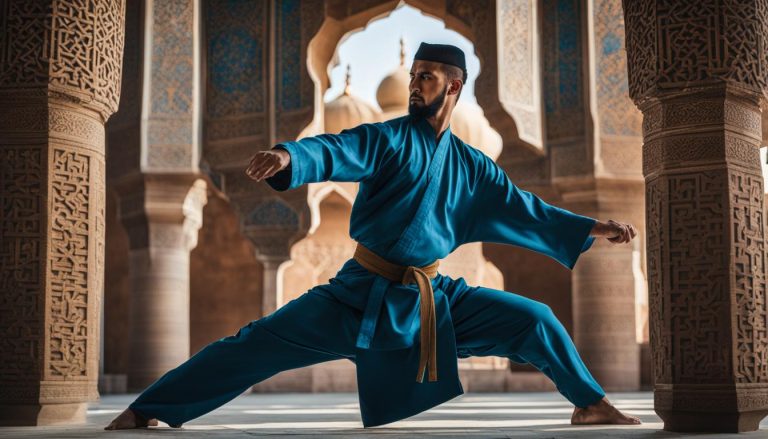
Forging Warriors of Islam: Inside the Rigorous Training Regimen of Furusiyyah Knights
Welcome back Knights! Today it’s all about the rigorous training regimen of furusiyyah knights!
Now this training was a comprehensive system designed to cultivate the skills, discipline, and physical prowess necessary for these elite warriors.
Rooted in the rich traditions of horsemanship, martial arts, and strategic warfare, this regimen emphasizes not only physical fitness but also mental fortitude and ethical conduct.
Through rigorous training routines, the Furusiyyah Knights prepare themselves to face the challenges of battle while upholding the chivalric values that define their noble status.
This introduction outlines the key components of their training, highlighting the importance of mastery in various disciplines essential for a knight’s success.
Introduction to Furusiyyah Training
Importance in Islamic Military Tradition
Furusiyyah holds a significant place in Islamic military tradition, embodying the essence of valor, discipline, and skill.
This comprehensive training program was not just about physical prowess; it was an intricate blend of martial arts, strategy, and spirituality.
The warriors trained in Furusiyyah were considered the elite protectors of the faith, equipped with the skills needed to uphold justice and defend their communities.
Historically, these knights represented the ideals of chivalry within the context of Islamic teachings.
Their preparation was rooted in the belief that a well-rounded warrior must possess strength and ethical integrity.
In essence, the Furusiyyah knights were not merely fighters; they were exemplars of moral conduct and devotion to their cause.
Overview of the Training Regimen of Furusiyyah Knights
The training regimen for Furusiyyah was rigorous and multifaceted. It encompassed various domains, ensuring that each knight was prepared for the complexities of warfare.
This regimen included:
- Physical Conditioning: Strength and endurance were developed through intense workouts, ensuring that knights could withstand the rigors of battle.
- Equestrian Skills: Horseback riding and mounted combat exercises were vital, as mobility on the battlefield was crucial.
- Weapons Mastery: Knights trained extensively in handling a variety of weapons, including swords, bows, and lances, while also incorporating martial arts techniques for close combat.
- Tactical Education: Understanding historical battles and military strategies was essential. This knowledge allowed knights to anticipate enemy movements and devise effective counter-strategies.
- Spiritual Training: Equally important was the emphasis on the spiritual and moral aspects of warfare, where principles of justice, mercy, and duty were ingrained into the fabric of their training.
Through this comprehensive approach, Furusiyyah knights emerged not only as formidable warriors but also as leaders steeped in the ethical responsibilities of their role.
Physical Conditioning Furusiyyah Knightts

Furusiyyah training emphasizes physical conditioning as a cornerstone of developing skilled warriors.
This rigorous regimen is designed to build not just strength and endurance but also the agility needed for effective combat.
Rigorous Strength and Endurance Training
The journey begins with a solid foundation in strength and endurance. Trainees engage in a variety of exercises that challenge their physical limits.
These workouts often include:
- Weightlifting
- High-intensity training
- Sprinting and long-distance running
These activities not only enhance muscle strength but also boost cardiovascular health, ensuring that knights can withstand the rigors of battle over prolonged periods.
Horseback Riding and Mounted Combat Exercises
Next, the art of horseback riding is integral to the Furusiyyah training program.
Knights spend countless hours mastering equestrian skills.
They learn to communicate effectively with their horses, which is crucial during mounted combat. Riders also practice techniques such as:
- Quick mount and dismount drills
- Maneuvering through obstacles
- Coordinating movements with their mounts during combat scenarios
These exercises ensure that the warriors are comfortable and confident while fighting from horseback, a key aspect of historical Islamic warfare.
Weapons Handling and Martial Arts
Finally, weapons handling is paramount in preparing these warriors for combat.
Trainees are introduced to various weapons, including swords, lances, and bows.
They receive hands-on experience through drills focused on:
- Precision and accuracy in targeting
- Defensive manoeuvres against incoming attacks
- Close-quarters martial arts techniques
Sword: Furusiyyah knights practice intricate sword drills to enhance their precision, speed, and defensive techniques in close combat.
Bow and Arrow: Rigorous archery drills refine their aim and consistency, ensuring they can strike targets accurately from various distances.
Lance: Knights engage in lance drills to develop their skills in mounted combat, focusing on balance, timing, and striking power during charges.
Spear: Spear drills emphasize thrusting techniques and footwork, enabling knights to effectively control distance and engage multiple foes.
This comprehensive approach to physical training fosters not only physical prowess but also mental discipline, preparing knights for the challenges they will face in the battlefield.
As the knights complete their physical conditioning, they transition into more complex areas of their training, where they will learn vital tactical and strategic skills necessary for effective leadership in combat.
Tactical and Strategic Education

The journey of a Furusiyya knight goes beyond just physical prowess.
After developing their strength and endurance, knights dive into the intricate world of tactical and strategic education.
This phase is crucial as it equips them with the skills needed to navigate complex battle scenarios.
Study of Historical Battles and Military Strategies
Understanding past conflicts is key in shaping future warriors.
Knights study significant battles throughout history, analyzing the decisions made by commanders.
They learn to appreciate the nuances of strategy, including:
- Terrain utilization
- Troop formations
- Timing of attacks
This historical context not only offers valuable lessons but also inspires creativity in devising their own tactics.
Manuals and Manuscripts
Furusiyyah training manuals and manuscripts are invaluable resources that encapsulate centuries of martial wisdom and knightly conduct.
These texts provide detailed descriptions of various combat techniques, including the proper use of weapons like the sword, lance, and bow.
They also outline physical training regimens, emphasizing strength, agility, and endurance essential for effective warfare.
In addition to combat skills, these manuscripts delve into the ethical and moral frameworks that govern the behaviour of knights, highlighting the importance of honour, loyalty, and chivalry.
By studying these manuals, Furusiyyah knights not only refine their physical capabilities but also cultivate the mental discipline necessary for leadership and decision-making on the battlefield.
This fusion of martial prowess and ethical training ensures that the knights are prepared to face the challenges of war while upholding the noble ideals of their order.
Wargaming and Scenario-Based Training
To put theory into practice, knights engage in wargaming, where they simulate various combat situations.
These exercises allow them to test their strategies in a controlled environment.
Through these scenario-based trainings, they learn to adapt to unexpected changes, making quick decisions under pressure.
This hands-on approach fosters critical thinking and teamwork, essential qualities for any leader.
It also cultivates a sense of camaraderie among the knights, as they work together to overcome challenges.
Leadership and Command Skills Development
Leadership is not just about giving orders; it’s about inspiring others and fostering unity.
During this phase, knights refine their command skills through practical exercises.
They focus on:
- Communication techniques
- Conflict resolution
- Motivational strategies
These elements are vital for a successful commander, ensuring that knights can lead their troops with confidence and clarity during combat.
As knights sharpen their intellect and leadership abilities, they prepare not just for battle, but for the moral complexities that come with military service.
The integration of these tactical skills sets the foundation for specialized combat techniques, where they will further hone their martial prowess.
Spiritual and Moral Training of Furūsiyya Knights

The journey of a furūsiyya knight is not solely about physical prowess or tactical brilliance; it deeply intertwines with spiritual and moral training.
This aspect shapes a warrior’s character, ensuring they embody the principles of Islam even amidst the chaos of battle.
Islamic Principles and Ethics in Warfare
At the heart of this training lies a commitment to Islamic ethics. Knights learn that warfare is not merely an act of aggression but a duty that carries immense responsibility.
They study the teachings of the Quran and Hadith regarding just conduct during conflict.
This involves understanding the importance of mercy, the prohibition against harming innocents, and the principles of proportionality.
A knight’s strength is measured not just by their combat skills, but by their adherence to these values, which guide them in making decisions that align with their faith.
Mental Fortitude and Discipline
Building mental resilience is crucial for knights. They engage in exercises designed to challenge their psychological limits, fostering discipline and focus.
Meditation and reflection allow them to connect with their faith, reinforcing their purpose as warriors.
This mental conditioning prepares them to handle the stress of combat and navigate the moral dilemmas they may face on the battlefield.
Balancing Faith and Military Duty
Furusiyyah knights must strike a balance between their military responsibilities and their spiritual obligations.
Regular prayers, fasting, and community service are integrated into their training regimen.
This holistic approach ensures that while they prepare for battle, they remain grounded in their faith.
By nurturing both body and spirit, they become well-rounded individuals capable of leading others with integrity.
As knights progress through their training, they solidify their understanding of the ethical dimensions of warfare.
The spiritual and moral framework they develop serves as a foundation for the specialized combat techniques they will soon master.
This combination of faith and skill ultimately shapes them into formidable defenders of their beliefs and communities.
Specialized Combat Techniques

Mounted Archery and Lance Combat
Mounted combat is a hallmark of the Furusiyyah knights.
Mastering mounted archery requires not just skill with the bow but also an exceptional sense of balance and control while on horseback.
Warriors practice shooting at targets from various distances, developing their accuracy and speed.
This technique allows knights to engage enemies effectively while maintaining mobility.
Lance combat is equally important. Knights train in thrusting techniques and defensive manoeuvres, learning to use the lance both offensively and defensively.
The coordination between horse and rider is crucial here, as knights must make quick decisions while galloping towards their opponents.
Sword Fighting and Close-Quarters Combat
While mounted skills are vital, close-quarters combat is where knights often face their fiercest challenges.
Training in sword fighting focuses on agility, timing, and precision.
Knights practice various styles of swordplay, learning both offensive strikes and defensive parries.
They also engage in sparring sessions, which simulate real-life combat scenarios.
This practice helps warriors develop their reflexes and enhances their ability to read an opponent’s movements.
In these intense encounters, the principles of discipline and patience learned in spiritual training come into play, reminding them that true strength lies not only in skill but in restraint.
Siege Warfare and Fortification Tactics
Another critical aspect of specialized training is siege warfare.
Knights study the construction of fortifications and the strategies necessary for besieging or defending a stronghold.
This includes learning about the use of siege engines like catapults and trebuchets, along with tactics for breaching walls.
Field exercises allow knights to apply their knowledge practically.
They simulate attacks and defences, testing their ability to work as a cohesive unit under pressure.
These experiences reinforce the importance of teamwork and strategic planning, ensuring that each knight understands their role within the larger mission.
As the knights hone these specialized combat techniques, they become well-rounded warriors prepared to face the complexities of battle, blending physical prowess with strategic acumen.
With a solid foundation in these advanced skills, the next phase of their journey will further refine their capabilities and prepare them for the ultimate tests of knighthood.
Practical Field Exercises
The journey to becoming a Furusiyyah knight culminates in an intense series of practical field exercises that test the skills honed throughout their training.
This phase is crucial, as it translates theoretical knowledge and physical conditioning into real-world applications.
Simulated Battlefield Scenarios
Knights engage in simulated battlefield scenarios designed to mimic the chaos and unpredictability of actual combat.
These exercises foster quick thinking and decision-making under pressure.
Participants are divided into teams, tasked with strategizing and executing manoeuvres while adapting to evolving conditions.
In simulated battlefield scenarios, Furusiyyah cavalry units’ employ coordinated manoeuvres and strategic formations to master tactics that enhance their effectiveness in real combat situations.
The emphasis is on teamwork and communication, ensuring that every warrior understands their role within the unit.
Long-Distance Campaigns and Survival Training
Understanding the rigors of long-distance campaigns is essential for any knight.
Training includes navigating various terrains, maintaining stamina over extended periods, and learning survival skills.
Knights practice setting up camps, foraging for food, and utilizing resources efficiently. This training not only builds physical endurance but also strengthens mental resilience.
Warriors learn to thrive under adverse conditions, making them more adaptable in real-life scenarios.
Combat Manoeuvres and Formations
Combat manoeuvres and formations are critical components of the training regimen.
Knights refine their skills in mounted archery and lance combat, while also practicing sword fighting techniques.
They learn to execute complex formations that enhance their effectiveness on the battlefield.
With precise drill repetitions, they become adept at coordinating movements, allowing for fluid transitions between offense and defence.
Together, these exercises create well-rounded warriors, ready to face the challenges of warfare. The culmination of their training prepares knights for the final tests that will determine their readiness for knighthood.
As they prepare to take their oaths, the lessons learned in these practical field exercises will serve as a foundation for their future service in defence of their faith and community.
Graduation and Knighthood for Furisiyyah Knights

Final Tests and Challenges
As the training journey nears its end, Furusiyyah knights face a series of final tests that push their skills to the limit.
These challenges are designed to assess not only their physical prowess but also their tactical understanding and moral integrity.
Candidates must demonstrate mastery in various combat techniques, including mounted archery and close-quarters fighting, often under simulated battlefield conditions.
The culmination of this rigorous training is a comprehensive examination, where each knight must showcase their ability to lead troops, make quick decisions, and adapt to changing scenarios.
Success in these tests not only validates their hard work but also prepares them for the realities of military duty.
Ceremony and Oaths of Knighthood
Once the tests are completed, the atmosphere shifts to one of celebration as knights prepare for their knighthood ceremony.
This event is steeped in tradition and symbolizes their transition from trainees to full-fledged warriors of Islam.
During the ceremony, each knight takes a solemn oath, pledging loyalty to their faith, community, and fellow soldiers.
This act of commitment reinforces the values they’ve learned throughout their training, blending honor with responsibility.
The ceremony is not just a formality; it serves as a public declaration of their readiness to serve and protect, highlighting the sacred bond between warriors and their faith.
Transition to Active Military Service
With the oaths taken and the ceremony concluded, the newly minted knights transition into active military service.
They step into roles that demand their skills, leadership, and unwavering moral compass.
The experiences gained during their training will be invaluable as they face real-world challenges on the battlefield.
Each knight carries the weight of their responsibilities, armed not just with weapons but with the principles of Islam that guide their actions.
As they embark on this new chapter, they are prepared to defend their faith and uphold the honor of their community.
This commitment to service marks the beginning of their journey as defenders, ready to confront whatever challenges lie ahead.front whatever challenges lie ahead.