A Complete Guide to Furusiyyah African Knight Warriors: From Training to Battle Tactics
Welcome back Farises and knights. Today we’ll be journing into the world of Furusiyyah African Knight!
The African knight warriors of the furusiyyah tradition represent a remarkable chapter in African and Islamic history.
Blending chivalry, martial skill, and cultural heritage in a powerful narrative of heroism and tradition.
Known for their dedication to the furusiyyah, or “knightly arts,” these African warriors excelled in a code of conduct emphasizing honor, bravery, and mastery in combat.
Furusiyyah knights trained extensively in horseback riding, swordsmanship, and archery, embodying a rigorous discipline that was both a lifestyle and an identity.
Unlike the knights of Europe, the Furusiyyah African Knight Warriors were deeply rooted in a tradition that celebrated intellectual growth alongside martial prowess.
They were highly respected not only as warriors but also as patrons of art, poetry, and scholarship, often serving as pillars of wisdom within their communities.
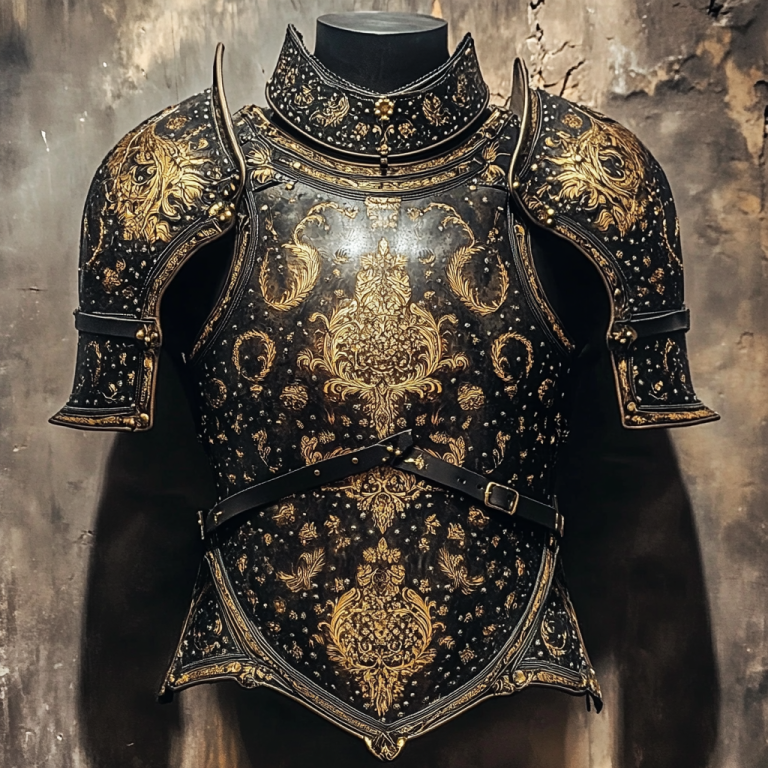
With armor adorned in symbols reflecting their allegiance and heritage, these knights stood as formidable defenders of their lands, preserving peace while remaining poised for battle.
This unique fusion of African and Islamic influences made the Furusiyyah African Knight Warriors exceptional figures in history, inspiring tales of valor that continue to resonate today.
Introduction to African Furusiyyah Knight Warriors

Furusiyyah, the noble art of horsemanship and combat, has deep historical roots in Africa.
Emerging as a vital component of African Muslim culture, its origins can be traced back to the convergence of Islamic military practices and local warrior traditions.
This unique blend created a distinct martial culture that not only shaped military strategies but also influenced social structures across various regions.
Historical Origins and Development
The development of Furusiyyah in Africa is closely tied to the spread of Islam during the 7th century.
As Islamic empires expanded into North Africa and beyond, they brought with them sophisticated military techniques and a rich tradition of equestrian arts.
These practices encountered and intertwined with indigenous African warrior customs that had long thrived on the continent.
African warriors were renowned for their skills in mobility and strategy, often utilizing horses not just as a means of transport but also as essential components of their warfare tactics.
The integration of Islamic teachings with these local traditions resulted in a unique form of martial discipline.
This fusion gave rise to a well-rounded approach to combat that emphasized both physical prowess and spiritual grounding.
Connection Between Islamic Military Arts and African Warrior Traditions
The connection between Islamic military arts and African warrior traditions cannot be overstated.
Both systems share core values, such as honor, bravery, and loyalty.
Islamic principles of justice and ethical conduct in warfare complemented the existing codes of African warriors.
Moreover, the training methods adopted by African Muslim knights included rigorous physical conditioning, tactical drills, and the mastery of various weaponry, all while maintaining a strong moral compass rooted in Islamic teachings.
This ensured that warriors were not only skilled fighters but also exemplars of their faith and culture.
Significance in African Muslim Martial Culture
Furusiyyah holds a significant place in African Muslim martial culture, symbolizing both military strength and cultural identity.
It provided a framework for young men to transition into adulthood, fostering a sense of community and belonging.
The values instilled through Furusiyyah training contributed to the broader social fabric, promoting unity and resilience among Muslim communities.
Additionally, the art of Furusiyyah served as a means of cultural expression.
Through its rituals, training regimens, and communal gatherings, it reinforced shared identities and historical narratives.
These aspects were particularly important during times of conflict, when the collective memory of past glories could inspire courage and solidarity.
This foundation not only highlights the core principles but also showcases how these warriors integrated their Islamic values with their combat techniques.
African Knight Training and Education

Training and education in Furusiyyah are foundational elements that shape the African knight warriors into skilled fighters and honorable individuals.
The approach taken is comprehensive, emphasizing not just physical prowess but also the cultivation of ethical values rooted in Islamic teachings.
Core Principles and Disciplines of Training
Furusiyyah training is built upon several core principles that guide the warriors in both their martial and personal lives. These principles include:
- Discipline: Adhering to a strict training regimen fosters both physical and mental resilience.
- Respect: Honor toward instructors, peers, and opponents is fundamental.
- Courage: Warriors are taught to face challenges with bravery, embodying the spirit of a true knight.
- Honor: Upholding integrity during combat and beyond is paramount.
These principles create a structured environment where warriors learn to respect themselves and others, preparing them for the complexities of battle and life.
Integration of Islamic Values with Combat Training
Furusiyyah training is deeply intertwined with Islamic values. This integration manifests in various ways:
- Spirituality in Warfare: The belief that fighting can be a form of devotion when conducted honorably and justly.
- Ethical Guidelines: Warriors are educated on the importance of mercy and compassion, even towards enemies. This includes avoiding unnecessary violence and protecting non-combatants.
- Community Responsibility: Training emphasizes the warrior’s role as a protector of their community, reinforcing the idea that their skills serve a higher purpose.
The result is a generation of warriors who are not only adept in combat but also embody the moral values of their faith.
Specialized Weapons Training and Horsemanship
A significant aspect of Furusiyyah training involves specialized weapons training and horsemanship.
Participants become proficient in various traditional weapons, including:
- Swords: Mastery of different sword techniques is crucial.
- Spears: Understanding distance and timing enhances effectiveness in combat.
- Bows: Archery is an essential skill for ranged attacks.
- Lance: Designed for cavalry charges, allowing knights to strike their opponents from a distance
Horsemanship is equally vital. Knights learn to bond with their horses, understanding that a well-trained steed is an extension of the warrior. This relationship is cultivated through:
- Riding Skills: Training focuses on agility, balance, and control.
- Cavalry Tactics: Understanding how to maneuver effectively in formations is taught to maximize the impact of cavalry charges.
Through this rigorous training, warriors develop both individual skills and the ability to work seamlessly within a unit.
African Knight Equipment and Weaponry

Traditional Weapons Used by African Muslim Knights
The arsenal of African Muslim knights was diverse, reflecting the rich tapestry of cultures and terrains across the continent.
These warriors were skilled in various weapons that were not only practical but also embodied their martial traditions.
- Swords: The curved sabre, known as the “kilij,” was a favored weapon. Its design allowed for swift, slashing attacks, which were essential in mounted combat.
- Spears: Often used for both throwing and close combat, spears were versatile and easy to wield from horseback.
- Bows and Arrows: Archery played a crucial role in warfare, providing long-range attack capabilities that complemented the cavalry’s tactics.
These weapons were not just tools of war; they represented the identity and skills of the knights who wielded them.
Armor and Protective Gear Specific to African Warfare
Armor was integral to the survival of knights in battle. African Muslim warriors often wore layered protective gear designed to withstand the rigors of combat.
- Chainmail: This type of armour offered flexibility and protection, allowing knights to move freely while still being shielded from blows.
- Shielding: Round shields made from animal hides were common, providing defense while being lightweight enough for mobility.
- Helmets: Many wore helmets that protected their heads without compromising visibility, a critical factor during fast-paced battles.
- Plate Armor: Plate armour was often custom-fitted to the wearer, and it covered key areas like the chest, arms, legs, and head, offering full-body protection
This protective gear was crafted with both functionality and culture in mind, showcasing the artistry prevalent in African military craftsmanship.
Role of Horses and Cavalry Equipment
Horses were central to the effectiveness of Furusiyyah warriors. The bond between knight and horse was pivotal, as these animals were not merely mounts but partners in combat.
- Cavalry Equipment: Saddles were specially designed for comfort and stability, ensuring that knights could maneuver effectively during battle.
- Horse Breeds: The Berber and Arabian breeds were preferred for their strength and agility, making them ideal for the demanding conditions of warfare.
- Training: Horses underwent rigorous training alongside their riders, ensuring that they could respond seamlessly to commands during chaotic engagements.
This synergy between horse and rider greatly enhanced the tactical capabilities of the knights, allowing them to execute complex manoeuvres with precision.
African Knight Battle Tactics and Strategy

Furusiyyah warriors were not only skilled in the art of combat but also masters of unique battle tactics that made full use of their cavalry’s strengths.
Their strategies combined traditional African warfare techniques with Islamic military principles, creating a distinctive approach to battle.
Unique African Cavalry Warfare Techniques
One of the hallmarks of African Furusiyyah tactics was their innovative use of cavalry units.
Unlike many other military traditions, African knights relied heavily on mobility and speed.
They often employed hit-and-run tactics, using their horses to dart in and out of enemy formations.
This strategy allowed them to strike quickly and retreat before the enemy could effectively counterattack.
Additionally, they utilized a technique known as “mounted archery.”
Warriors would shoot arrows from horseback, maintaining mobility while engaging enemies.
This not only increased their range but also made them elusive targets on the battlefield.
The combination of swift horse maneuvers and ranged attacks turned their cavalry into a formidable force.
Combination of Islamic Military Doctrine with Local Battle Strategies
The integration of Islamic military teachings enriched their approach to warfare.
Furusiyyah African knights drew upon principles outlined in historical texts, emphasizing the importance of discipline, unity, and strategic planning.
This Islamic influence complemented local battle strategies that emphasized adaptability and ingenuity in combat.
For instance, the African knights often formed alliances with local tribes, using their knowledge of the terrain to gain tactical advantages.
By blending these two traditions, they created a unique fighting style that respected both Islamic doctrine and indigenous methods.
Formations and Unit Organization
Effective organization within their ranks was crucial for success in battle.
Furusiyyah warriors often arranged themselves in specific formations that maximized their cavalry’s strengths.
One popular formation was the “crescent,” which allowed for flexibility and quick adjustments in response to enemy movements.
Infantry armies were typically organized based on skill level, with more experienced fighters taking the lead in skirmishes.
This hierarchy ensured that less experienced warriors were supported by their seasoned counterparts, fostering a sense of camaraderie and teamwork.
Communication during battles relied on clear signals, enabling swift coordination among the troops.
The combination of these tactics and organizational strategies positioned the Furusiyyah knights as not just fighters but as tacticians who understood the battlefield on multiple levels.
Their ability to adapt and evolve their strategies over time helped solidify their legacy as formidable warriors, paving the way for future generations to carry on these traditions.
With the understanding of their tactical prowess, we can now explore the cultural and spiritual dimensions that underpinned their martial practices, shaping their identities as warriors.
African Knights Cultural and Spiritual Aspects

Integration of Islamic Principles in Warfare
The African Knight, was not just a skilled fighter; they were also embodiments of Islamic values.
Their approach to warfare was deeply rooted in the teachings of Islam, emphasizing justice, compassion, and ethical conduct even amidst conflict.
Warriors were trained to view their role not merely as combatants but as defenders of their faith and community.
This perspective influenced their decisions on and off the battlefield, ensuring that their actions aligned with Islamic principles.
For instance, the concept of jihad is often misunderstood.
To the Furusiyyah, it encompassed much more than physical combat; it represented a quest for righteousness and the protection of the innocent.
This spiritual framework guided their conduct during battles, encouraging them to engage honorably and refrain from unnecessary violence.
Code of Honor and Ethical Guidelines
Central to the culture of Furusiyyah were the codes of honor and ethical guidelines that governed their behavior. These codes served multiple purposes:
- Ensuring respect for enemies: Even in battle, adversaries were to be treated with dignity, reflecting a commitment to fairness.
- Upholding the sanctity of life: The warriors believed in minimizing harm, especially to non-combatants, embodying the Islamic principle of mercy.
- Fostering loyalty and camaraderie: The bond among warriors was sacred, reinforcing unity and mutual support both in times of peace and conflict.
These ethical standards created a distinct identity for the Furusiyyah, differentiating them from mere mercenaries or bandits.
They were seen as noble knights serving a higher purpose, eventually leading to knighthood.
Spiritual Preparation and Warrior Traditions
Spiritual preparation was an essential aspect of a Furusiyyah warrior’s training.
Before heading into battle, rituals and prayers were common practices aimed at invoking divine guidance and protection.
Such preparations included:
- Prayers and Supplications: Warriors would engage in collective prayers, seeking strength and courage.
- Meditation and Reflection: Time was allotted for self-reflection, allowing warriors to connect with their inner selves and reaffirm their dedication to their faith.
- Rituals of Blessing: Horses, as vital partners in combat, would also undergo blessings, recognizing their importance in the warrior’s journey.
These traditions fostered a sense of purpose and commitment, reminding warriors of their responsibilities beyond combat.
The intertwining of cultural heritage and Islamic teachings cultivated a unique warrior ethos within the Furusiyyah.
This rich tapestry of values not only shaped their martial practices but also left a lasting impact on the broader African Muslim martial culture.
Historical Impact and Legacy

The legacy of Furusiyyah is deeply rooted in African military history, shaping not only the martial practices of its time but also influencing future generations.
These knight warriors integrated Islamic principles into their combat techniques, marking an important chapter in the evolution of warfare on the continent.
Influence on African Military History
Furusiyyah played a vital role in the formation of African military structures. Islamic teachings brought a new level of organization and discipline that was often lacking in traditional tribal warfare.
The rigorous training and ethical codes influenced how battles were conducted and how soldiers interacted with one another and their opponents.
This blend of Islamic doctrine with local customs established a framework for military engagement that emphasized both skill and respect.
The impact of Furusiyyah can be seen in various historical conflicts across Africa.
For instance, during the rise of powerful empires like the Mali and Songhai, the principles of Furusiyyah were instrumental in creating formidable cavalry units that could swiftly maneuver in battle.
This integration of tactics and values paved the way for a unique style of warfare that resonated throughout the continent.
Contribution to Islamic Martial Arts Development

Furusiyyah also contributed significantly to the broader spectrum of Islamic martial arts. It enriched the existing knowledge with African styles, creating a diverse tapestry of techniques that included the use of curved sabres, spears, and bows.
This cross-pollination not only advanced the skills of warriors but also fostered a sense of community among Muslim fighters across different regions.
Moreover, the rich traditions surrounding horsemanship and mounted combat became a hallmark of Islamic martial arts, influencing training methods and strategic planning.
The emphasis on equestrianism, combined with spiritual training, ensured that warriors were not just physically prepared but also mentally and spiritually aligned with their mission.
Preservation and Modern Relevance of Furusiyyah Traditions
Today, the traditions of Furusiyyah are preserved through various cultural practices and martial arts schools.
These elements continue to inspire modern interpretations of combat training and ethical warrior conduct.
Events celebrating Furusiyyah heritage, such as historical reenactments and martial arts competitions, serve as a reminder of this rich past and its ongoing relevance.
In contemporary settings, the principles of Furusiyyah promote a holistic approach to martial training, blending physical prowess with moral integrity.
This legacy of respect, discipline, and spirituality resonates within communities, reflecting the enduring significance of these ancient warrior traditions.