Furusiyyah Knights Explained: How These Warriors Shaped Islamic Military Culture
Welcome back, history enthusiasts! Today, we’ll be exploring the fascinating world of the Furusiyyah Knights.
So who were these mystical warriors?
Furusiyyah knights, often referred to in the context of the Islamic tradition, embody the ideals of chivalry, martial prowess, and ethical conduct.
The term “furusiyyah” itself relates to horsemanship and the art of war, emphasizing the importance of cavalry skills in medieval Islamic society.
These knights were not only warriors but also exemplars of noble virtues, combining bravery in battle with a commitment to justice, honor, and loyalty.
Their legacy reflects the cultural richness of the medieval Islamic world, where poetry, philosophy, and the arts flourished alongside martial traditions.
Furusiyyah knights played a significant role in the political and social landscapes of their time, often serving as protectors of their communities and champions of their faith.
Introduction to Furusiyyah Knights

Definition and Origin of Furusiyya
Furusiyya, derived from the Arabic term “فروسية” (furoosiyyah), encompasses the martial skills and horsemanship that defined a knightly class in Islamic culture.
This concept evolved during the early Islamic period, blending military prowess with ethical conduct.
It was not merely about warfare; it represented a comprehensive lifestyle that included honor, courage, and loyalty.
The roots of Furusiyyah can be traced back to pre-Islamic Arabian traditions, where warriors were celebrated for their equestrian skills and valor in battle.
These practices were further enriched by interactions with Persian military customs, leading to a unique blend of styles and philosophies that shaped the identity of the Furusiyyah knights.
Role of Furusiyyah Knights in Islamic Military Culture
Furusiyyah knights played a pivotal role in the military culture of Islamic societies.
They served as elite cavalrymen, adept at both mounted combat and ground warfare.
Their training emphasized not only physical strength and agility but also strategic thinking and leadership.
This dual focus allowed them to become central figures in battles, often turning the tide against their adversaries.
Moreover, these knights were expected to uphold high moral standards.
The ethical codes associated with Furusiyyah dictated that they protect the weak, act justly, and demonstrate courage in the face of danger.
This fusion of martial skill and moral integrity marked them as paragons of Islamic chivalry.
Brief Overview of Their Historical Significance
The historical significance of Furusiyyah knights cannot be overstated.
They were instrumental in the rapid expansion of Islamic empires during the early medieval period.
Their expertise in cavalry tactics allowed armies to conquer vast territories, from the Iberian Peninsula to the Indian subcontinent.
The knights not only fought valiantly in numerous battles but also served as cultural ambassadors, spreading Islamic values and traditions throughout the lands they traversed.
Their impact on military campaigns, society, and even art and literature is a testament to their lasting legacy within Islamic history.
Historical Context and Origins of Furusiyyah Knights

The origins of the Furusiyya knights are deeply rooted in the early military traditions of Islam.
These warriors were not just fighters; they embodied a way of life that combined martial prowess with ethical conduct, reflecting the values of the Islamic faith.
Early Islamic Military Traditions
The early Islamic armies were composed largely of volunteer fighters who were motivated by faith and loyalty.
This spirit of camaraderie laid the groundwork for the development of organized military units, which would evolve into the Furusiyyah knights.
The concept of struggle in the path of God, provided a powerful motivation for these warriors.
This ideal encouraged them to master combat techniques, horsemanship, and strategy.
As Islam spread beyond the Arabian Peninsula, these military traditions adapted and grew, leading to the establishment of a unique warrior class known as the Furusiyyah.
Influence of Pre-Islamic Arabian and Persian Cultures
The roots of Furusiyyah can be traced back to the martial customs of pre-Islamic Arabia.
The Arabian Peninsula had a rich tradition of horse riding and warfare, where tribal rivalries and skirmishes were common.
Horses were not only symbols of status but also essential for mobility and combat.
Additionally, Persian culture significantly impacted the formation of Islamic military practices.
The Persian Empire had a well-structured military hierarchy and advanced combat techniques, which influenced the Furusiyyah training regimen.
Persian cavalry tactics, including coordinated charges and flanking maneuvers, were integrated into the Islamic military framework, enhancing the effectiveness of the knights.
Evolution of Furusiyyah During the Early Islamic Conquests
As the conquests unfolded, the role of Furusiyyah knights became increasingly significant.
They participated in major battles, demonstrating exceptional skill in both mounted and foot combat.
Their training was rigorous, focusing on agility, endurance, and discipline, making them formidable opponents on the battlefield.
The knights’ ability to adapt to different terrains and enemy tactics played a crucial role in the rapid expansion of the Islamic empires.
Their successes not only established Islamic dominance in various regions but also facilitated cultural exchanges between diverse civilizations.
The Furusiyyah knights thus emerged as a symbol of strength and virtue during these formative years, shaping not only military culture but also laying the foundation for the ethical standards expected of warriors in the Islamic tradition.
Core Principles and Training For Knights

The Furusiyyah knights were not just warriors; they embodied a unique blend of martial prowess, ethical standards, and rigorous training.
This chapter delves into the core principles that defined their training, the specific skills they honed, and the moral codes they adhered to.
Key Elements of Training
At the heart of Furusiyyah training lay a disciplined regimen.
Aspiring knights underwent rigorous physical conditioning coupled with mental fortitude exercises. The focus was on developing:
- Endurance: Long-distance riding and combat drills built stamina.
- Strength: Weight training and weapon handling enhanced physical capability.
- Agility: Quick movements on horseback were essential, so agility drills were common.
Training sessions began at a young age, often integrating into daily life.
Young riders learned horse care alongside combat techniques, ensuring they developed a profound bond with their steeds.
Martial Arts and Horsemanship Skills
The Furusiyyah knights excelled in both martial arts and horsemanship, which were critical to their effectiveness in battle.
Their combat training included:
- Swordsmanship: Mastery of the sword was paramount. Knights practiced various techniques, focusing on both offensive and defensive maneuvers.
- Archery: Archers on horseback played a crucial role. They trained to shoot accurately while maintaining control of their horses, combining speed and precision.
- Lance Combat: The use of the lance during cavalry charges was a hallmark of Furusiyyah tactics. Knights practiced forming tight formations, crucial for maximizing impact during battles.
- Jousting: Jousting for Furusiyyah knights was a ceremonial display of skill and bravery, often featuring competitive lances and showcasing their horsemanship and combat abilities.
Horsemanship was equally vital. Knights learned to ride not just for travel but as an integral part of their combat strategy.
They trained in maneuvering their horses at high speeds, executing intricate patterns even amidst chaos.
This dual focus on martial arts and horsemanship created a well-rounded warrior capable of adapting to various combat scenarios.
Ethical and Moral Codes
Furusiyyah knights were expected to uphold a strict ethical framework. Their training included teachings on bravery, honor, and respect. Key aspects of their moral code included:
- Honor in Battle: Engaging in fair combat and respecting opponents.
- Protecting the Innocent: Safeguarding non-combatants was a fundamental principle, reflecting a sense of justice.
- Loyalty: Loyalty to their leaders and comrades was paramount, fostering unity among ranks.
This code of ethics distinguished Furusiyyah knights from mere mercenaries, reinforcing their role as guardians of Islamic values.
Weapons and Equipment Used By Furusiyyah Knights

Furusiyyah knights were more than just skilled fighters; they were equipped with a range of traditional weapons and gear that complemented their extensive training and chivalric ethos.
The essence of their martial craft was deeply intertwined with the tools of war they wielded, which not only enhanced their combat effectiveness but also reflected their cultural values.
Traditional Weapons Used by Furusiyyah Knights
The arsenal of a Furusiyyah knight was diverse, combining functionality with artistry. Key weaponry included:
·Swords – The sword was perhaps the most iconic weapon. Made with exceptional craftsmanship, they often featured intricate designs. These swords, known as saif, were designed for slashing and thrusting, embodying the warrior’s skill and honor.
·Lances – In cavalry warfare, the lance played a critical role. Knights used it for charging at enemies, leveraging momentum and speed. The long reach allowed them to engage foes before getting too close, establishing a tactical advantage.
·Bows and Arrows – Archery was equally significant. Knights trained extensively in marksmanship, allowing them to strike from a distance. This skill was invaluable during sieges and skirmishes.
·Daggers – For close combat, daggers served as secondary weapons. They were easily accessible and useful during hand-to-hand encounters, ensuring that a knight was never defenseless.
Spears – Furusiyyah knights wielded long, sturdy spears, known for their reach and effectiveness in cavalry charges, symbolizing their martial prowess and skill.
Evolution of Armor and Protective Gear
As the battlefield evolved, so did the armor worn by Furusiyyah knights.
Initially, armor consisted of simple leather and chainmail, providing essential protection while allowing mobility.
Over time, advancements led to:
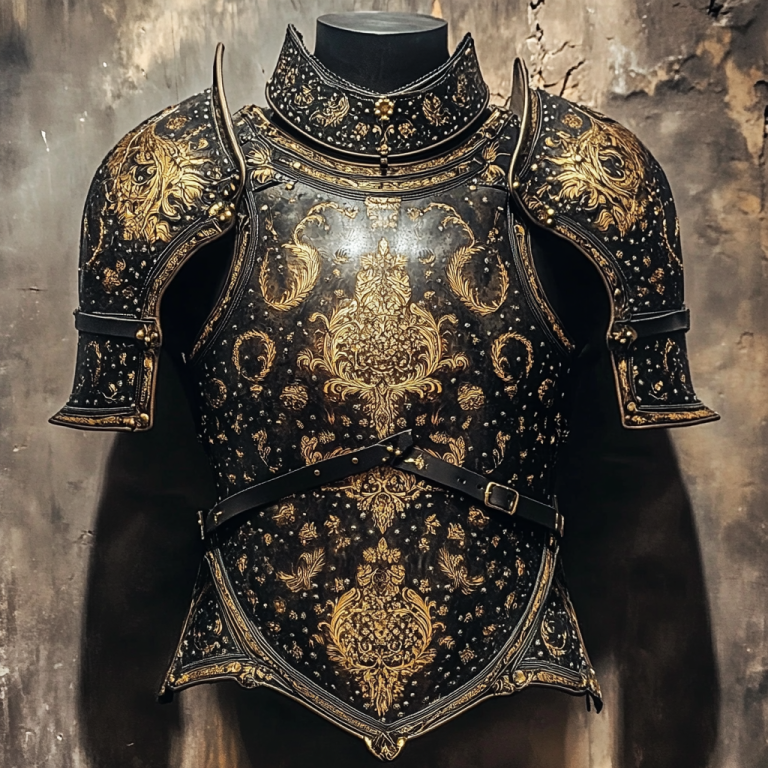
General Armour – Furusiyyah knights wore distinctive armor that combined functionality with artistry, featuring intricate designs and materials to ensure both protection and mobility in battle.
·Plate Armor – By the peak of the Furusiyyah tradition, knights began to wear plate armor, which offered superior protection against weapons. This armor was often ornately decorated, showcasing the knight’s status and wealth.
·Helmets – Helmets were crucial for protecting the head. They came in various styles, often featuring visors that could be raised or lowered, enabling visibility while safeguarding against blows.
Ottoman Horse Armour – Ottoman horse armor, known as “kılıç” or “zırh,” featured intricate metal plates and leather, designed to protect steeds in battle while allowing for agility and mobility.
These developments in armor not only enhanced survivability on the battlefield but also symbolized the knight’s identity and valor.
Significance of the Horse in Furusiyyah Culture
The horse held a sacred place in Furusiyyah culture. It was not merely a mode of transport; it was an extension of the knight’s very being.
The bond between knight and steed was cultivated through rigorous training and mutual respect.
Key aspects include:
·Status Symbol – A knight’s horse was often a reflection of his social standing. Well-bred horses, adorned with fine saddles and decorations, indicated wealth and prestige.
·Combat Partner – In battle, the horse provided vital advantages, enabling knights to execute swift maneuvers and charges. The agility and strength of the horse allowed knights to face multiple adversaries effectively.
·Cultural Icon – Horses were celebrated in poetry and art, symbolizing nobility, freedom, and courage. This reverence contributed to the rich tapestry of Islamic literature and the overarching narrative of the Furusiyyah knights.
Furusiyyah in Military Campaigns

Role of Furusiyyah Knights in Major Battles
Furusiyyah knights were not just skilled warriors; they were the backbone of Islamic military campaigns. In major battles, their elite cavalry skills made them indispensable.
These knights often led charges, their presence boosting morale among troops. Their training emphasized speed and agility, allowing them to outmaneuver enemy forces.
The combination of tactical skill and martial prowess enabled them to turn the tide in numerous confrontations.
Take, for instance, the Battle of Yarmouk in 636 CE. Furusiyyah knights played a crucial role in this decisive encounter against the Byzantine Empire.
Their ability to execute flanking maneuvers and hit-and-run tactics showcased the effectiveness of their training.
This battle, pivotal in establishing Islamic dominance in the region, illustrates how the knights’ contributions shaped military outcomes.
Tactical Advantages Provided by Furusiyyah Training
The training regimen of Furusiyyah knights provided them with unique tactical advantages.
Their lessons included not only combat techniques but also strategic thinking.
Knights were trained to assess battlefield conditions quickly, enabling them to make informed decisions in real-time.
Additionally, their expertise in horsemanship allowed them to navigate various terrains.
Whether charging through deserts or maneuvering in dense forests, their horses responded intuitively to their commands. This level of control gave them an edge over less trained forces.
Moreover, the psychological impact of seeing highly skilled knights on horseback could intimidate opponents, further securing the advantage for Islamic troops.
Impact on the Expansion of Islamic Empires
The contributions of Furusiyyah knights significantly impacted the expansion of Islamic empires.
Their military successes facilitated the rapid spread of Islam across vast territories, from North Africa to the Iberian Peninsula.
By employing effective cavalry tactics, they were able to conquer regions that were previously thought impenetrable.
Moreover, the moral and ethical codes upheld by these knights helped foster loyalty among the ranks.
Their commitment to honor and protection of innocents set a standard of conduct that resonated throughout the armies, encouraging others to join the cause.
This collective spirit not only strengthened military campaigns but also contributed to the cultural and religious integration of new territories into the Islamic fold.
Furusiyyah Cultural and Social Influence

Impact on Islamic Literature and Art
Furusiyyah knights have left an indelible mark on Islamic literature and art. Their valor, ethics, and martial prowess inspired countless poets and writers.
These knights became the embodiment of chivalric ideals, celebrated in poems that extolled their bravery, loyalty, and honor.
Islamic miniatures and paintings often depicted these warriors in vibrant colors, showcasing their intricate armor and majestic horses.
The visual representation of Furusiyyah knights not only captured their physical attributes but also highlighted the cultural significance of their roles in society.
These artistic expressions helped to cement the knights’ status as paragons of virtue and strength.
Additionally, stories of their exploits were passed down through generations, often woven into the fabric of folklore.
This storytelling tradition contributed to a collective memory that revered the values associated with the Furusiyyah knights, promoting a legacy that transcended time.
Social Status of Furusiyyah Knights
The social standing of Furusiyyah knights was significant within Islamic societies. They occupied a unique position, blending the roles of soldier, leader, and moral exemplar.
As elite cavalrymen, their skills in battle granted them respect and admiration from their peers and the general populace.
Moreover, their commitment to ethical conduct reinforced their status.
Upholding values such as honor, courage, and protection of the innocent distinguished them from mere mercenaries.
This moral authority allowed Furusiyyah knights to influence leaders and shape military decisions.
In many cases, they served as advisors and strategists during campaigns, further solidifying their pivotal role in society.
Their elevated status was not merely based on martial capability. It also stemmed from their connections to noble families and their contributions to socio-political structures.
As custodians of Islamic values, they were often entrusted with responsibilities beyond the battlefield, including governance and justice.
Influence on Chivalric Traditions
The influence of Furusiyyah knights extended to the development of chivalric traditions in Islamic cultures.
They shared commonalities with the European concept of chivalry, emphasizing virtues like bravery, loyalty, and courtesy.
However, the Islamic interpretation was deeply rooted in the teachings of Islam and the ethical guidelines set forth by the Qur’an and Hadith.
These knights exemplified the ideal of the “just warrior,” integrating spiritual and martial responsibilities.
Their principles influenced the conduct of other warriors and shaped societal norms regarding honor and duty.
Over time, these ideals permeated various aspects of Islamic life, promoting a culture of respect and ethical behavior among both nobility and commoners.
The intertwining of martial prowess and moral character established a framework for future generations.
As such, the legacy of the Furusiyyah knights continues to resonate, influencing modern interpretations of honor and duty in contemporary Islamic societies.
Legacy and Modern Interpretations

The legacy of the Furusiyyah knights is one that resonates deeply within Islamic military traditions.
Their impact continues to be felt in the way military ethics, strategy, and social structures evolved across centuries.
Lasting Impact on Military Traditions
Furusiyyah knights didn’t just excel in combat; they embodied a unique blend of skill and ethical conduct.
Their training methods focused on developing not only physical prowess but also mental acuity and moral integrity.
As a result, many principles from their practices have influenced modern military training and leadership philosophies.
Today, concepts like honor, loyalty, and protection of the innocent are pivotal in military codes around the world.
The idea of the “just warrior,” a term commonly associated with Furusiyyah, has found its way into contemporary discussions on military ethics.
This notion emphasizes that a soldier should not only be a fierce fighter but also a protector of values and people, echoing the teachings and ideals upheld by the Furusiyyah knights.
Modern Interpretations and Revival of Practices
In recent years, there has been a revival of interest in traditional martial arts linked to Furusiyyah.
Various organizations and scholars are working to revive practices that reflect the historical training of these knights.
This includes horsemanship, swordsmanship, and even archery, recreating the skills that made the Furusiyyah formidable on the battlefield.
Moreover, this revival isn’t solely about physical training. Many practitioners incorporate the ethical teachings of the Furusiyyah into their practice, focusing on character development alongside martial skills.
This holistic approach aims to produce well-rounded individuals who embody both strength and virtue—principles that the Furusiyyah knights held dear.
Relevance in Contemporary Islamic Cultural Studies
The Furusiyyah knights also occupy a significant place in contemporary Islamic cultural studies.
They serve as symbols of bravery, moral fortitude, and the fusion of martial skill with ethical responsibility.
Scholars explore their narratives in literature, art, and history, examining how these figures have shaped perceptions of honor and duty within Muslim societies.
Their stories are not merely relics of the past; they provide vital insights into the values that have shaped Islamic identity over time.
By studying the legacy of the Furusiyyah knights, contemporary audiences can better understand the complexities of Islamic culture, its historical context, and the ongoing dialogue about morality in conflict.