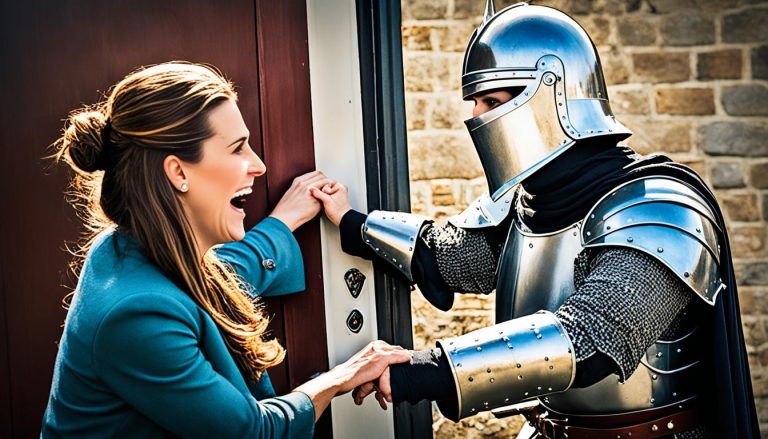
Which of the following behaviors is an example of chivalry?
In today’s fast-paced world, chivalry may seem like a long-forgotten concept. However, it is still relevant and holds an important place in our society. Chivalry, derived from the medieval code of conduct followed by knights, encompassed virtues such as bravery, respect for women, defense of the weak, and loyalty. It emphasized treating others with courtesy and kindness.
Examples of chivalrous acts include rescuing someone in danger, showing bravery in battle, and treating others with respect and dignity. These actions demonstrate a sense of honor and serve as a reminder of the importance of empathy and compassion in our interactions with others. Chivalry is not limited to specific genders or social situations; it is about promoting respect and kindness for all.
Key Takeaways:
- Chivalry originated from the medieval code of conduct followed by knights.
- It emphasized qualities such as bravery, respect for women, defense of the weak, and loyalty.
- Examples of chivalrous acts include rescuing someone in danger and showing respect and dignity to others.
- Chivalry is not limited to specific genders or situations; it promotes respect and kindness for all.
- Practicing chivalrous behavior can contribute to personal growth and character development.
The Origins of Chivalry
Chivalry, a code of conduct followed by knights in the medieval times, originated in the Middle Ages. The word chivalry comes from the old French word “chevalerie,” which referred to men who fought on horseback. Knights were expected to exhibit bravery, strength, and skill in battle, embodying the ideal image of a noble warrior.
However, chivalry was not solely focused on combat prowess. It encompassed a broader code of conduct that emphasized respect, loyalty, and kindness. Knights were expected to respect and honor women, defending their honor and treating them with courtesy. Furthermore, they were tasked with defending the weak and the poor, showing compassion and generosity to those less fortunate.
Courtesy and kindness were integral aspects of chivalrous behavior. Knights were expected to uphold these virtues in their interactions with others, displaying manners and civility in all situations. This commitment to honorable behavior set knights apart as exemplars of virtue in society.
To better understand the origins of chivalry, it is important to recognize the context in which it emerged. The feudal system, prevalent during the Middle Ages, created a hierarchical structure in which knights held positions of influence and power. Chivalry served as a guiding principle to ensure the responsible and fair exercise of this authority.
Chivalry was not only a personal code of conduct for knights but also a means of establishing social order and harmony. By adhering to chivalrous ideals, knights contributed to the stability and well-being of society as a whole.
As the centuries passed, the concept of chivalry evolved and adapted to changing societal values. Nevertheless, its core principles of bravery, respect, honor, and kindness continue to resonate in our modern understanding of knightly conduct.
Core Principles of Chivalry
| Principle | Description |
|---|---|
| Bravery | Exhibiting courage and fearlessness in the face of danger |
| Respect | Showing honor and admiration towards women and others |
| Honor | Maintaining integrity and adhering to a moral code |
| Kindness | Demonstrating compassion and generosity towards others |
| Loyalty | Remaining faithful and dedicated to one’s commitments |
Examples of Chivalrous Acts
Chivalrous acts are a testament to the noble and honorable behavior expected from knights in medieval times. These acts demonstrate the essence of chivalrous behavior, characterized by respect, bravery, and consideration for others. Here are some examples of chivalry that showcase the values and principles upheld by knights:
Rescuing someone in danger
One of the most well-known examples of chivalrous acts is rescuing someone in peril. Knights were expected to come to the aid of those in need and protect them from harm. Whether it was saving a damsel in distress from a treacherous situation or lending a helping hand to someone facing danger, knights exhibited bravery and chivalry in their selfless acts of heroism.
Showcasing respect and consideration
Chivalry extends beyond heroic deeds and encompasses everyday gestures that reflect respect and consideration for others. Opening doors for others, retrieving dropped items, or offering assistance to those who need it are all examples of chivalrous behavior. These acts display a high regard for others and contribute to fostering a more compassionate and respectful society.
Protecting those in vulnerable positions
Knights also displayed chivalrous behavior by protecting those in vulnerable positions. Walking on the outside of the sidewalk to shield a lady from potential harm or giving up one’s seat for a woman, an elderly person, or someone with physical disabilities were common chivalrous acts. These actions demonstrated the knight’s willingness to prioritize the well-being and safety of others.
These examples of chivalrous acts illustrate the enduring relevance of chivalry in today’s society. By emulating the behavior of knights from the past, we can foster an environment of respect, kindness, and consideration for others.
Chivalry in Modern Society
Chivalry, often associated with medieval knights, continues to hold value in modern society, even though the expectations and interpretations of chivalrous behavior may have evolved. In today’s world, demonstrating chivalry is seen as a way to show respect and kindness towards others, regardless of gender or social status.
It is important to note that chivalrous acts should not be limited to specific genders or situations. Treating others with courtesy and respect is a fundamental aspect of chivalrous behavior, encompassing gentlemanly conduct.
While the concept of chivalry may have originated in the Middle Ages, its principles are still applicable today. Practicing chivalry allows individuals to foster positive social interactions, promoting a sense of harmony and empathy within the community.
To illustrate the enduring significance of chivalry, let’s explore some examples of modern chivalrous behavior:
- Opening doors for others, displaying consideration and respect.
- Offering a seat to someone in need, demonstrating empathy and kindness.
- Showing appreciation and politeness towards service workers, acknowledging their contributions.
- Practicing active listening and engaging in meaningful conversations, valuing the opinions of others.
- Respecting personal boundaries and consent, embracing the importance of mutual respect.
Chivalry is not confined to rigid gender roles or antiquated notions of superiority. Instead, it serves as a reminder to treat others with dignity and fairness, promoting a more inclusive and compassionate society.
The Importance of Chivalry
Chivalry plays a crucial role in our society as it promotes positive social interactions and nurtures a deep sense of respect and kindness towards others. By embracing chivalrous behavior, we can contribute to the creation of a more compassionate and considerate community.
Chivalry sets the foundation for harmonious relationships and fosters an atmosphere of mutual respect and understanding. When we practice acts of chivalry in our daily lives, we establish a culture where people feel valued and appreciated.
One of the essential aspects of chivalrous behavior is the emphasis on treating others with dignity and courtesy. By extending basic acts of kindness, such as holding doors open for others or offering a helping hand, we demonstrate our respect for their presence and well-being.
Furthermore, chivalry helps us develop empathy towards others. It encourages us to put ourselves in someone else’s shoes and consider their feelings and needs. This empathy allows us to respond to situations with empathy and compassion, fostering a supportive environment.
Chivalrous acts reflect our commitment to building a society based on mutual care and admiration. It breaks down barriers and cultivates deeper connections among individuals, making our communities more inclusive and understanding.
By incorporating chivalrous behavior into our daily lives, we not only uplift others but also experience personal growth. The practice of chivalry enables us to develop qualities such as empathy, kindness, and compassion, which contribute to our character development and overall well-being.
Ultimately, chivalry is more than just a set of actions; it is a mindset that fosters a culture of respect, kindness, and cooperation. Let us strive to uphold the principles of chivalry and make a positive impact on the world around us.

| Benefits of Chivalry | Examples |
|---|---|
| Promotes positive social interactions | Rescuing someone in danger |
| Fosters respect and kindness | Opening doors for others |
| Creates a compassionate society | Walking on the outside of the sidewalk to protect a lady |
| Develops personal growth | Giving up one’s seat for a woman or someone who is elderly |
Misconceptions about Chivalry
There are some misconceptions about chivalry that equate it with outdated gender roles or unequal treatment. However, chivalry is not about asserting dominance or superiority. It is about showing respect and kindness to others, regardless of gender. Both men and women can demonstrate chivalrous behavior, and it should not be seen as a sign of inequality, but rather as a way to promote positive interactions and respect.
| Common Misconceptions | True Meaning of Chivalry |
|---|---|
| Chivalry is only for men | Chivalry applies to both men and women |
| Chivalry reinforces gender stereotypes | Chivalry promotes respect and kindness for all |
| Chivalry implies women are weaker | Chivalry acknowledges and respects everyone’s strength |
| Chivalry is about male dominance | Chivalry is about mutual respect and consideration |
It is essential to challenge these misconceptions and embrace chivalrous behavior as a way to promote equality and create harmonious relationships. By treating others with respect and kindness, we can foster a more inclusive society where everyone feels valued and appreciated.
Chivalry and Personal Growth
Practicing chivalrous behavior can greatly contribute to personal growth and character development. When I actively engage in chivalrous acts, such as displaying empathy, kindness, and compassion, I am not only demonstrating respect and consideration for others, but I am also fostering my own personal growth.
Chivalry goes beyond mere politeness and extends to genuine care and concern for others. By behaving chivalrously, I am not only improving my relationships with those around me, but I am also creating a positive impact in my community. Whether it’s through small acts of kindness or defending the weak and vulnerable, chivalry allows me to be a driving force for positive change.
Developing Empathy and Compassion
One of the key qualities cultivated through practicing chivalrous behavior is empathy. When I put myself in someone else’s shoes and show genuine understanding, I am able to develop deeper connections and foster a sense of unity within my community. Chivalry helps me recognize the struggles and challenges that others may experience, and encourages me to offer support and help when needed.
Additionally, chivalry nurtures compassion within me. By showing kindness and displaying acts of generosity, I am able to extend a helping hand to those in need. This not only benefits those who receive the act of kindness, but it also enhances my own sense of fulfillment and purpose.
Building a Stronger Character
Chivalry plays a pivotal role in shaping my character and moral foundations. It compels me to act with integrity, honesty, and fairness. Through the practice of chivalry, I am constantly reevaluating and refining my own values, ensuring that they align with the principles of respect and kindness.
By consistently displaying chivalrous behavior, I develop a reputation as someone who is reliable, trustworthy, and caring. Chivalry not only impacts the relationships I have with others, but it also shapes how I perceive myself. It reinforces the importance of authenticity and encourages me to strive for continual self-improvement.
| Benefits of Chivalry and Personal Growth |
|---|
| Enhances empathy and understanding |
| Fosters compassion and generosity |
| Strengthens character and moral values |
| Builds positive relationships and community |
Practicing chivalry not only benefits those around me, but it also leads to personal growth and character development. It allows me to cultivate qualities such as empathy, kindness, and compassion, fostering deeper connections and stronger relationships. By embracing chivalry, I am actively contributing to a more harmonious and compassionate society.

Conclusion
In conclusion, chivalrous behavior plays a crucial role in shaping a respectful and considerate society. By actively engaging in acts of chivalry, individuals have the power to cultivate positive social interactions and foster a sense of respect and kindness towards others. The importance of chivalry extends beyond specific genders or situations, as it is a universal concept that should be embraced by all, regardless of their background or circumstances.
Practicing chivalry not only contributes to the development of a more harmonious and compassionate world, but it also has a significant impact on personal growth and character development. By embodying chivalrous values such as empathy, kindness, and compassion, individuals can enhance their relationships with others and create a positive influence within their communities.
In today’s society, where empathy and understanding are more important than ever, chivalrous behavior serves as a powerful catalyst for bridging divides and fostering a sense of unity. By upholding the principles of chivalry, we become agents of positive change, actively reshaping the world into a more inclusive and caring place. Let us not underestimate the profound impact that our individual actions can have on the world around us and continue to champion the importance of chivalrous behavior for the benefit of all.
FAQ
What is chivalry?
Chivalry was a code of conduct followed by knights in the medieval times. It emphasized qualities such as bravery, respect for women, defense of the weak, and loyalty. Knights were expected to behave with courtesy and kindness.
Where did chivalry originate?
Chivalry originated in the Middle Ages and was a set of ideas about how a knight should behave. The word chivalry comes from the old French word “chevalerie,” which referred to men who fought on horseback. Knights were expected to show bravery, strength, and skill in battle. They were also supposed to respect women, defend the weak and the poor, and be generous and loyal. Courtesy and kindness were integral parts of chivalrous behavior.
What are some examples of chivalrous acts?
Examples of chivalrous acts include rescuing someone in danger, such as a damsel in distress. Knights were expected to come to the aid of those in need and protect them. Other examples of chivalry include opening doors for others, retrieving dropped items, walking on the outside of the sidewalk to protect a lady, and giving up one’s seat for a woman or someone who is elderly or physically handicapped. These acts show respect and consideration for others.
Is chivalry still valued in modern society?
Yes, chivalry is still valued in modern society, although the expectations and interpretations may have changed. Demonstrating chivalry can be seen as a way to show respect and kindness towards others. It is important to note that chivalrous acts should not be limited to specific genders or situations. Treating others with courtesy and respect, regardless of gender or social status, is a key aspect of chivalrous behavior in today’s world.
Why is chivalry important?
Chivalry is important because it promotes positive social interactions and fosters a sense of respect and kindness towards others. It helps create a more compassionate and considerate society. By practicing chivalrous behavior, individuals can contribute to a more harmonious and respectful community.
Are there any misconceptions about chivalry?
There are some misconceptions about chivalry that equate it with outdated gender roles or unequal treatment. However, chivalry is not about asserting dominance or superiority. It is about showing respect and kindness to others, regardless of gender. Both men and women can demonstrate chivalrous behavior, and it should not be seen as a sign of inequality, but rather as a way to promote positive interactions and respect.
How does chivalry contribute to personal growth?
Practicing chivalrous behavior can contribute to personal growth and character development. It helps individuals develop qualities such as empathy, kindness, and compassion. By behaving chivalrously, individuals can improve their relationships with others and create a positive impact in their communities.
What is the conclusion about chivalry?
Chivalrous behavior is an important aspect of creating a respectful and considerate society. By practicing acts of chivalry, individuals can promote positive social interactions and foster a sense of respect and kindness towards others. Chivalry is not limited to specific genders or situations and should be embraced by everyone as a way to contribute to a more harmonious and compassionate world.